Introduction
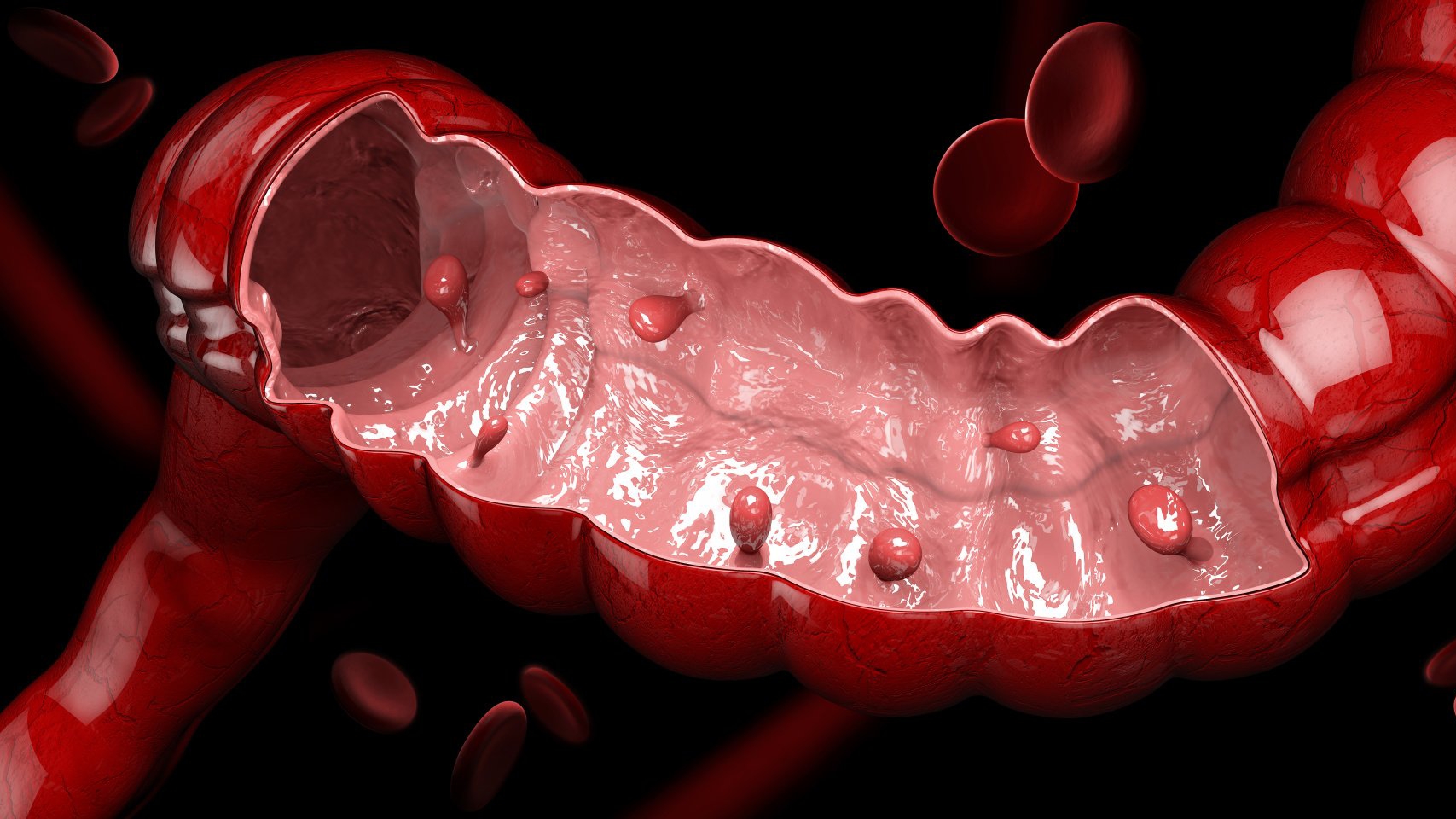
Gastrointestinal (GI) polyps are abnormal tissue growths that develop on the inner lining of the gastrointestinal (GI) tract. While they can arise anywhere along the tract, they are particularly common in the colon and stomach, with different types based on their histological characteristics. These growths are often incidental findings during endoscopic examination.
Types
Gastrointestinal polyps commonly occur in the stomach and colon. Major types include:
- Hyperplastic Polyps: Typically benign, arising from chronic inflammation such as gastritis, often linked to Helicobacter pylori infection in the stomach. They have low malignant potential but require monitoring.
- Adenomatous Polyps: These have the highest risk of becoming cancerous and are thus closely monitored and usually removed upon detection. They can occur anywhere in the GI tract but are especially significant in the colon.
- Inflammatory/Pseudopolyps: Seen in inflammatory bowel diseases like ulcerative colitis and Crohn’s disease, these polyps arise from chronic mucosal inflammation and may signal increased cancer risk.
- Hamartomatous Polyps: Associated with genetic syndromes such as Peutz–Jeghers syndrome, these benign polyps can cause bleeding, obstruction, and have elevated cancer risks.
Causes
- Chronic inflammation due to infections (e.g., H. pylori), autoimmune gastritis, or inflammatory bowel disease promotes polyp formation.
- Genetic syndromes like familial adenomatous polyposis (FAP) and Peutz–Jeghers syndrome significantly increase polyp formation and malignancy risk.
- Lifestyle factors including a high-fat, low-fiber diet, obesity, smoking, heavy alcohol use, and sedentary lifestyle contribute to risk, especially for colon polyps.
Risk Factors
- Age: Risk increases with age, particularly over 45–50 years.
- Medication use: e.g., proton pump inhibitors may predispose to gastric fundic gland polyps.
Signs & Symptoms
Polyps are often asymptomatic and discovered incidentally during endoscopic exams. When symptoms occur, they may include:
- Rectal bleeding or blood in stool (visible or occult).
- Abdominal pain, cramping, bloating
- Anemia-related fatigue or weakness (especially with gastric polyps).
- Changes in bowel habits or obstruction symptoms when polyps are large enough.
Complications
- Malignant transformation is the most critical complication, as certain polyps—particularly adenomas—can progress to gastrointestinal cancers.
- Large polyps may cause intestinal obstruction or lead to bleeding and iron deficiency anemia.
- Mechanical complications such as intussusception in hamartomatous polyps are also possible.
Prevention
- Eradication of Helicobacter pylori infection reduces stomach polyp risk.
- Avoiding unnecessary long-term PPI use may prevent fundic gland polyps.
- Adopting a healthy diet rich in fruits, vegetables, and fiber, maintaining healthy weight, abstaining from tobacco and limiting alcohol are preventive strategies.
- Avoid processed foods and carcinogenic substances.
- Regular screening endoscopy or colonoscopy is essential, especially for people with risk factors such as family history or genetic syndromes.
Home Remedies
For polyps there is no substitute for professional evaluation for diagnosis and medical treatment is essential. But following preventive strategies and routine screening will help in reducing risk of polyps and early diagnosis.
When to Seek Medical Attention
- Presence of blood in stool or persistent gastrointestinal bleeding.
- Unexplained anemia or fatigue.
- Significant abdominal pain or bowel obstruction symptoms.
- Anyone over age 45 (or earlier if high-risk) should undergo colonoscopy screening.
- Family history of polyps or gastrointestinal cancers necessitating screening.
- Any findings of polyps on imaging or endoscopy require specialist evaluation and management.
Bibliography
[1] https://www.mayoclinic.org/diseases-conditions/stomach-polyps/symptoms-causes/syc-20377992
[2] https://www.science.gov/topicpages/p/polyps.html
[3] https://www.mayoclinic.org/diseases-conditions/colon-polyps/symptoms-causes/syc-20352875
[4] https://pmc.ncbi.nlm.nih.gov/articles/PMC11081080/
[5] https://my.clevelandclinic.org/health/diseases/15370-colon-polyps
[6] https://pubmed.ncbi.nlm.nih.gov/8829317/
[7] https://www.ncbi.nlm.nih.gov/books/NBK430761/