Introduction
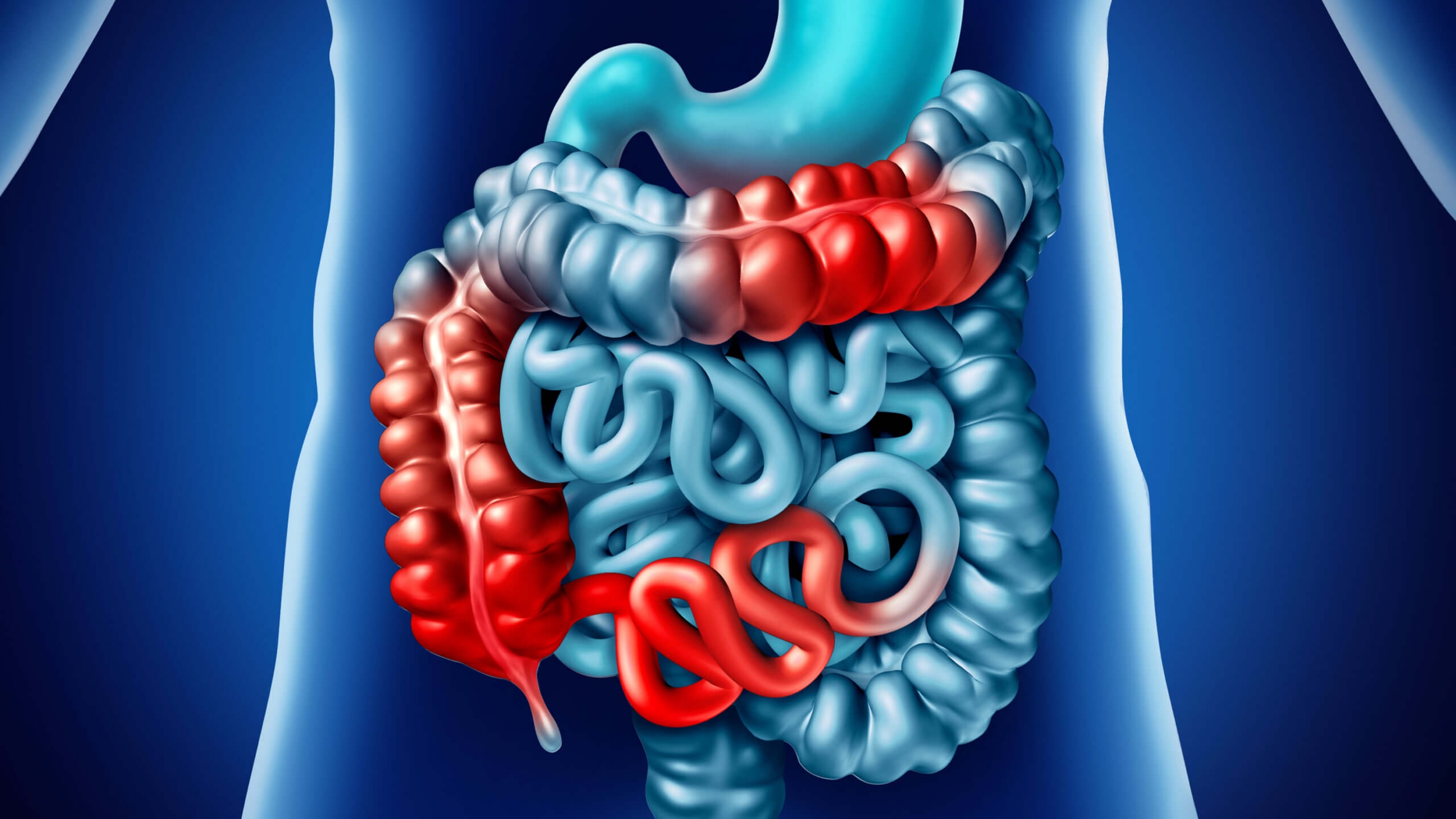
Crohn’s disease is a chronic inflammatory condition of the gastrointestinal (GI) tract, and it is one of the two main forms of inflammatory bowel disease (IBD). It is characterized by episodes of flare-ups and remissions, with inflammation that can affect any part of the digestive tract, from the mouth to the anus, but most commonly involves the end of the small intestine (ileum) and the colon.
Crohn’s disease affects approximately 100-300 per 100,000 people in North America and Western Europe, with rising incidence worldwide. It usually affects young adults (aged 15–30), with a second smaller peak in onset at 40–60; slightly higher rates may be seen in women.
Types
Crohn’s disease can be categorized by location and behavior:
- Location:
- Ileal: Involves small bowel.
- Colonic: Involves colon.
- Ileo‑colonic: Constitutes approximately 50% of cases, involving both small and large bowels.
- Sometimes also upper GI (gastric/duodenal) and perianal disease.
- Behavior:
- Inflammatory: It is nonstricturing and nonpenetrating.
- Stricturing: Narrowing.
- Penetrating: Fistula‑forming.
Cause
The precise cause remains unknown, but CD arises from a complex interplay of genetic susceptibility, dysregulated immune response, environmental triggers, and altered gut microbiota leading to mucosal barrier dysfunction .
- Genetic predisposition: Over 200 genes have been linked to increased risk.
- Immune system dysfunction: The immune system abnormally attacks the digestive tract tissue, often triggered by bacteria or environmental factors.
- Environmental contributions: Urban living, western diets, and infections may play a role.
- Microbial dysbiosis: reduced anti‑inflammatory bacteria (e.g. Faecalibacterium prausnitzii) and increased adherent‑invasive E. coli.
Risk Factors
Risk factors for Crohn’s disease include:
- Family history of IBD: Having a first-degree relative with Crohn’s increases risk)
- Age: Under 30 at diagnosis.
- Smoking: Most important modifiable risk factor.
- Living in an urban or industrialized environment.
- Use of NSAIDs: It can exacerbate, but not directly cause the disease.
- Diet: High-fat or processed food intake, high‑sugar, low‑fiber diets.
Signs and Symptoms
Crohn’s disease symptoms range from mild to severe and can fluctuate over time. During disease flares, symptoms may become especially pronounced:
- Persistent diarrhea (sometimes with blood or mucus).
- Abdominal pain and cramping (often lower right side).
- Unexplained weight loss.
- Loss of appetite.
- Fatigue.
- Low fever.
- Mouth ulcers.
- Anemia (due to blood loss).
- Rectal bleeding or anal fissures.
- Feeling of incomplete bowel movement.
- Extra‑intestinal manifestations like arthritis, uveitis, erythema nodosum, primary sclerosing cholangitis, amyloidosis (rare).
Complications
Crohn’s can cause a variety of serious complications:
- Bowel obstruction or strictures.
- Fistulas (abnormal connections between bowel and other organs or skin).
- Abscesses and perianal disease.
- Malnutrition and vitamin deficiencies (B12, folate, vitamins A, D, E, K—leading to anemia and bone loss).
- Increased risk of colon cancer.
- Other autoimmune manifestations (arthritis, skin rashes, eye inflammation).
Prevention
Since the exact cause is unknown, Crohn’s cannot be fully prevented, but risk and flare-ups can be reduced by:
- Smoking cessation.
- Avoiding unnecessary NSAID use.
- Eating a well-balanced, low-fat diet. Reducing ultra‑processed and sugar‑rich foods.
- Managing stress (yoga, meditation).
- Regular exercise.
Home Remedies
While not a cure, the following may help reduce symptoms and maintain remission:
- Keep a food diary to identify and avoid trigger foods (commonly dairy, spicy, fatty, or high-fiber foods).
- Eat smaller, frequent meals.
- Stay hydrated.
- Consider probiotics, but consult a gastroenterologist before starting supplements.
When to Seek Medical Attention
Immediate medical attention is needed if you experience:
- Severe abdominal pain, high fever, or persistent vomiting.
- Signs of bowel obstruction (severe cramping, vomiting, distension).
- Rectal bleeding, passage of significant blood or mucus.
- Persistent or worsening diarrhea (>1–2 days), weight loss or inability to keep fluids down.
- New or worsening extra-intestinal symptoms like arthritis, eye inflammation, or skin lesions.
- Signs of dehydration, dizziness, or low blood pressure.
Bibliography
[1] https://www.mayoclinic.org/diseases-conditions/crohns-disease/symptoms-causes/syc-20353304
[2] https://my.clevelandclinic.org/health/diseases/9357-crohns-disease
[3] https://www.ncbi.nlm.nih.gov/books/NBK436021/
[4] https://pmc.ncbi.nlm.nih.gov/articles/PMC7325380/
[5] https://europepmc.org/articles/PMC6914932/
[6] https://europepmc.org/article/MED/28826742/
[7] https://pubmed.ncbi.nlm.nih.gov/27914655/
[8] https://pubmed.ncbi.nlm.nih.gov/35198041/
[9] https://pmc.ncbi.nlm.nih.gov/articles/PMC11416205/