Introduction
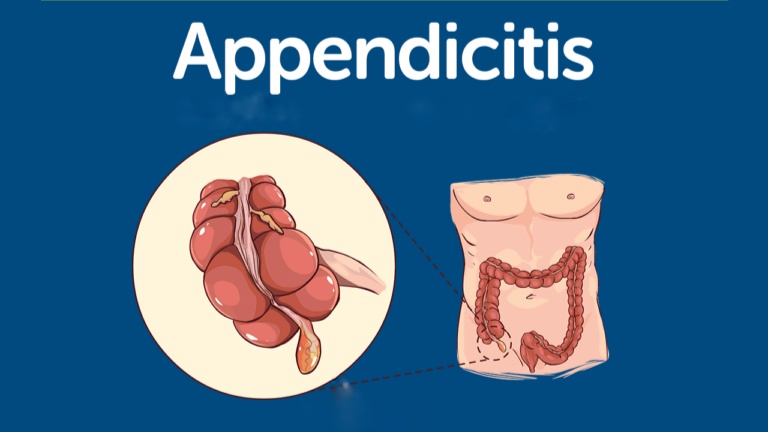
Appendicitis is an inflammation of the vermiform appendix, a small pouch-like organ attached to the large intestine, typically 5 to 10 cm in length. It is the most common abdominal surgical emergency worldwide, with lifetime risk estimated at about 7–9% in the U.S. Globally, it affected about 17.7 million new cases in 2019. It most frequently occurs in individuals aged 10 to 30 years, slightly more in males. It has a peak incidence in young adults around their mid-20s.
Types
- Acute Appendicitis: It is characterized by a sudden and severe onset of inflammation typically developing within 24 hours. It is more common in children and young adults aged 10 to 30 and requires urgent medical attention to avoid complications.
- Chronic Appendicitis: It is less common; it involves recurrent mild symptoms over weeks, months, or years and can eventually progress to acute appendicitis. Diagnosis is challenging due to the mild nature of symptoms that come and go.
Disease progression typically follows four stages:
1. Simple
2. Suppurative
3. Gangrenous
4. Perforated (rupture)
Causes
Appendicitis generally begins with obstruction of the appendiceal lumen, which triggers bacterial overgrowth and inflammation. Common causes include:
- Obstruction by fecaliths (hardened stool particles also called appendix stones) which trap bacteria inside the appendix.
- Lymphoid hyperplasia (swelling of lymphatic tissue in the appendix) often related to infections elsewhere in the body, especially in children.
- Intestinal parasites, tumors (e.g., carcinoid tumors, adenocarcinomas), or foreign bodies.
- Infections by bacteria such as Escherichia coli and Bacteroides species, which multiply when the lumen is blocked.
Risk Factors
- Age: Primarily teens and young adults.
- Sex: Slight male predominance.
- Family history: Increases risk by 2 to 3 folds.
- Genetic predispositions e.g., cystic fibrosis.
- Diet: Diet low in fiber may increase risk, while a fiber-rich diet may provide some protection.
- Abdominal infections and trauma.
Signs & Symptoms
- Pain begins near the navel then migrates to the right lower abdomen.
- Loss of appetite, nausea, vomiting, and low-grade fever.
- Tenderness at the point between the belly button and right hip bone.
- Abdominal stiffness.
- Changes in bowel habits, such as constipation or diarrhea, may occur.
Complications
If untreated, appendicitis may lead to:
- Appendix rupture (perforation) leading to peritonitis (life-threatening abdominal infection).
- Abscess formation around the appendix.
- Sepsis (systemic infection), which can be life-threatening.
- Chronic inflammation and scarring if untreated.
- Other complications include Ileus, fistula and small‑bowel obstruction.
Mortality is low (<0.3%) if treated early, but rises to about 1.7% post‑perforation.
Prevention
There is no guaranteed way to prevent appendicitis, but certain measures may reduce risk:
- Consuming a high-fiber diet rich in fruits, vegetables, lentils, and grains.
- Avoiding processed and deep-fried foods.
- Maintaining healthy weight and exercising regularly.
- Avoiding smoking and excessive alcohol use.
- Managing other digestive diseases and comorbidities under medical guidance.
- Early treatment of GI infections.
Home Remedies
Home remedies cannot cure appendicitis and are not recommended as treatment. Appendicitis requires prompt medical evaluation; home remedies are not safe alternatives and may delay critical care. However, supportive care before medical evaluation might include:
- Rest and hydration.
- Avoiding painkillers or laxatives without medical advice, as these can mask symptoms or worsen the condition.
Given the risk of rapid progression to serious complications, appendicitis should be considered a medical emergency.
When to Seek Medical Attention
Seek immediate medical care if you experience:
- Sudden onset of severe migrating abdominal pain that worsens over time, especially in the right lower quadrant.
- Associated symptoms such as fever, nausea, vomiting, loss of appetite, and inability to pass gas or stool, bloating.
- Any sign of abdominal tenderness, rigidity, or guarding on self or clinical examination.
Bibliography
[1] https://www.ncbi.nlm.nih.gov/books/NBK493193/
[2] https://my.clevelandclinic.org/health/diseases/8095-appendicitis
[3] https://pmc.ncbi.nlm.nih.gov/articles/PMC1562475/
[4] https://wjes.biomedcentral.com/articles/10.1186/s13017-020-00306-3
[5] https://pmc.ncbi.nlm.nih.gov/articles/PMC3275312/
[6] https://www.mayoclinic.org/diseases-conditions/appendicitis/symptoms-causes/syc-20369543
[7] https://my.clevelandclinic.org/health/diseases/8095-appendicitis