Introduction
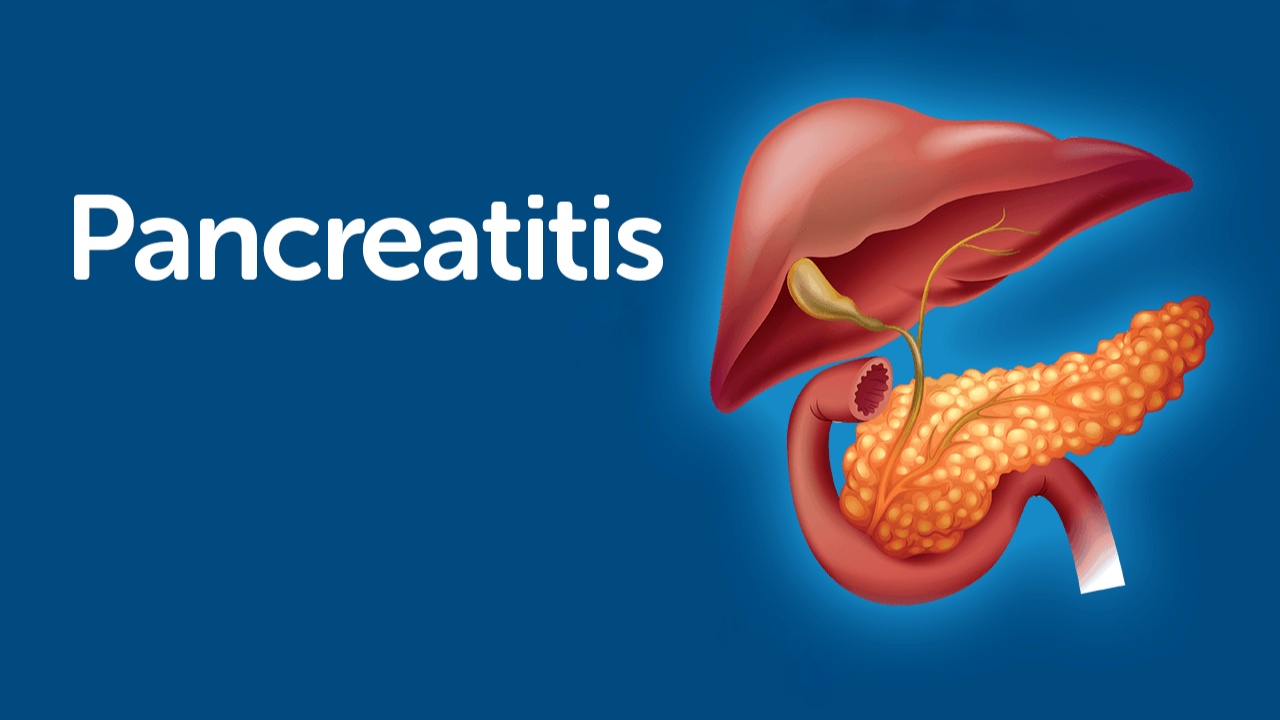
Pancreatitis is an inflammation of the pancreas, a vital organ responsible for producing digestive enzymes and hormones like insulin. It occurs when the pancreas becomes inflamed, leading to swelling, pain, and impaired function.
Acute pancreatitis affects approximately 5 to 35 per 100,000 people globally each year. Chronic pancreatitis has an incidence of 4–8 per 100,000 and a prevalence of 26–42 per 100,000 globally.
Types
- Acute Pancreatitis: It is a sudden inflammation lasting a short time, often resolving with treatment. It can range from mild to life-threatening. It may be Classification into:
- Interstitial edematous: There is no tissue death.
- Necrotizing: Tissue death occurs.
- Chronic Pancreatitis: It is long-term inflammation causing irreversible damage to pancreatic structure and exocrine/endocrine function, leading to ongoing pain and digestive problems.
Causes
- Acute Pancreatitis: It is most commonly caused by gallstones (≈ 40% of the cases) blocking the pancreatic duct and heavy alcohol use (≈ 30% of the cases). Other causes include high triglycerides, infections, autoimmune diseases, surgery (e.g., ERCP procedure), trauma, certain medications, and metabolic disorders like high calcium levels. Causes for about 15–25% of the cases are not known.
- Chronic Pancreatitis: It occurs primarily due to long-term alcohol abuse; smoking is also a key risk factor. Genetic mutations (e.g., PRSS1, CFTR, SPINK1 genes), gallstones, ductal obstruction due to tumors or cysts, autoimmune diseases, high blood fats, and pancreatic trauma or surgery also contribute.
Risk Factors
- Excessive alcohol consumption.
- Smoking (increases risk threefold for chronic pancreatitis).
- Obesity (BMI ≥ 30).
- Diabetes mellitus.
- Family history or genetic predisposition.
- High triglycerides and calcium levels.
- Gallstone disease.
Signs & Symptoms
- Severe upper abdominal pain often radiating to the back.
- Nausea and vomiting.
- Diarrhea and oily or floating stools (especially in chronic cases).
- Fever and rapid pulse (in acute disease).
- Yellowing of skin and eyes (Jaundice).
- Unintended weight loss (in chronic disease).
Complications
- Acute pancreatitis complications include organ failure (lungs, kidneys, heart), infection, tissue necrosis, cyst formation (pseudocysts), abscess formation, bleeding, dehydration, and electrolyte imbalances.
- Chronic pancreatitis complications include malnutrition due to poor digestion, diabetes from insulin deficiency, pancreatic duct obstruction leading to jaundice, pancreatic cancer risk, and permanent scarring and dysfunction.
Prevention
- Avoid excessive alcohol consumption,
- Quit smoking,
- Maintain a healthy weight and diet,
- Manage underlying metabolic disorders (e.g., hyperlipidemia, diabetes)
- Regular medical monitoring if genetically predisposed or with pancreatic diseases.
Home Remedies
- Rest and stay hydrated, especially with mild acute pancreatitis.
- Over-the-counter pain relief (consult health providers).
- Avoid alcohol and fatty foods.
- Small, low-fat meals in chronic pancreatitis.
- Enzyme supplements may be needed for digestion in chronic cases (consult health providers).
When to Seek Medical Attention
Following symptoms may indicate complications necessitating emergency care:
- Sudden, severe abdominal pain especially radiating to the back.
- Persistent vomiting or inability to eat or drink.
- Signs of infection such as fever, chills.
- Yellowing skin or eyes.
- Rapid heartbeat, low blood pressure or difficulty breathing.
- Symptoms worsening or not improving after home care.
- Chronic symptoms (weight loss, frequent steatorrhea) warrant specialist referral for workup and long-term management.
Bibliography
[1] https://www.sciencedirect.com/science/article/pii/S0140673608601075
[2] https://pmc.ncbi.nlm.nih.gov/articles/PMC6514487/
[3] https://www.ncbi.nlm.nih.gov/books/NBK482468/
[4] https://my.clevelandclinic.org/health/diseases/8103-pancreatitis
[5] https://www.ncbi.nlm.nih.gov/books/NBK568395/
[6] https://www.mayoclinic.org/diseases-conditions/pancreatitis/diagnosis-treatment/drc-20360233
[7] https://link.springer.com/article/10.1007/s40265-022-01766-4
[8] https://pmc.ncbi.nlm.nih.gov/articles/PMC4814287/
[9] https://pmc.ncbi.nlm.nih.gov/articles/PMC6597260/