Introduction
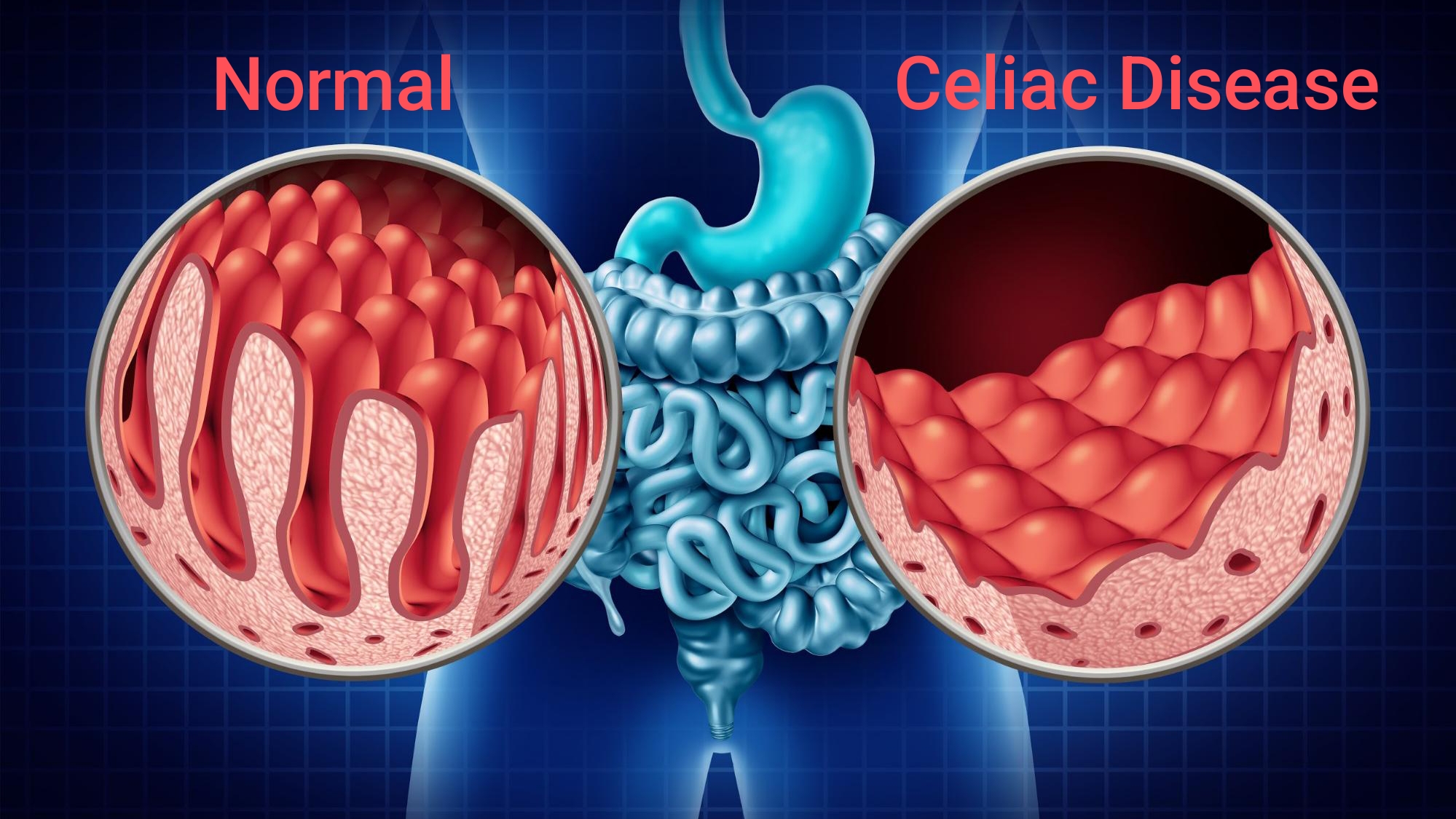
Celiac disease is a chronic autoimmune disorder triggered by the ingestion of gluten—a protein found in wheat, barley, and rye—in genetically predisposed individuals. When people with celiac disease consume gluten, it causes an immune response that damages the small intestine’s lining, leading to malabsorption of nutrients.
Celiac disease can develop at any age, from infancy when gluten is first introduced to food, through adulthood, with peaks in diagnosis in childhood and between ages 40 to 60. It is more common among people of European descent and those with certain genetic markers, especially HLA-DQ2 or HLA-DQ8. While traditionally considered a gastrointestinal disorder, it is now recognized as a systemic disease because it can affect multiple organs.
Types
- Classical Celiac Disease: Presents with gastrointestinal symptoms like diarrhea, weight loss, and malnutrition.
- Non-classical Celiac Disease: Manifests with extra-intestinal symptoms like anemia, osteoporosis, and neurological issues.
- Silent (Asymptomatic) Celiac Disease: Shows intestinal damage without apparent symptoms; often found through screening.
- Latent Celiac Disease: Individuals have genetic predisposition and positive antibodies but no intestinal damage (yet).
- Refractory Celiac Disease (RCD): Symptoms and intestinal damage persist despite strict adherence to a gluten-free diet for over 12 months. It is rare and can lead to serious complications.
Causes
Celiac disease is caused by a combination of genetic predisposition and environmental triggers:
- Genetic Factors: Presence of HLA-DQ2 or HLA-DQ8 genes (found in over 95% of patients).
- Immune Response: Gluten intake leads to an abnormal immune reaction, resulting in inflammation and damage to the intestinal villi.
Risk Factors
- Having a first-degree relative with celiac disease (risk ~10%)
- Female sex (60-70% of diagnosed cases)
- Certain autoimmune diseases: Type 1 diabetes, autoimmune thyroid disease, Addison’s disease, lupus, and others
- Genetic disorders: Down syndrome, Turner syndrome, Williams syndrome
- Other chronic conditions like irritable bowel syndrome or chronic pancreatitis may be associated.
Signs and Symptoms
Symptoms vary greatly and can involve many body systems:
- Gastrointestinal:
- Chronic diarrhea or constipation.
- Bloating and gas.
- Abdominal pain.
- Nausea and vomiting.
- Fatty stools (steatorrhea).
- Nutritional deficiencies:
- Iron-deficiency anemia.
- Weight loss & fatigue.
- Mouth ulcers.
- Bone or joint pain due to poor mineral absorption.
- Dermatologic: Itchy, blistery rash (dermatitis herpetiformis).
- Neurological:
- Numbness or tingling in hands or feet.
- Balance issues.
- Headaches.
- Others:
- Mood changes.
- Reproductive problems in females.
- Delayed growth in children.
Complications
If untreated, celiac disease can lead to serious complications, including:
- Malnutrition.
- Lactose intolerance.
- Infertility.
- Osteoporosis.
- Neurological problems (e.g., ataxia, seizures).
- Small bowel cancer or intestinal lymphoma.
- Refractory celiac disease (non-responsive cases).
Prevention
Currently, there is no known way to prevent celiac disease due to its genetic nature. However, awareness of risk factors and early screening in at-risk populations may allow earlier diagnosis and treatment. Introducing gluten during infancy and breastfeeding practices have unclear and debated roles in risk modification.
Home Remedies
While there is no cure for celiac disease, symptoms and intestinal healing can be effectively managed with:
- Gluten-Free Diet (GFD): Avoid all foods containing wheat, barley, rye, and their derivatives. Use certified gluten-free products.
- Nutritional Support: Supplementation of iron, calcium, vitamin D, vitamin B12, and folate may be necessary.
- Probiotics: May support gut health (though evidence is still evolving).
When to Seek Medical Attention
Seek medical evaluation if you experience:
- Persistent diarrhea, bloating, or abdominal pain.
- Unexplained weight loss or fatigue.
- Signs of malnutrition.
- Recurrent miscarriages or infertility.
- Skin rash (especially dermatitis herpetiformis).
- Ongoing symptoms despite a gluten-free diet (may indicate RCD).
Bibliography
[1] https://pmc.ncbi.nlm.nih.gov/articles/PMC5437500/
[2] https://pmc.ncbi.nlm.nih.gov/articles/PMC6647104/
[3] https://www.mayoclinic.org/diseases-conditions/celiac-disease/symptoms-causes/syc-20352220
[4] https://my.clevelandclinic.org/health/diseases/14240-celiac-disease
[5] https://www.niddk.nih.gov/health-information/digestive-diseases/celiac-disease/symptoms-causes