Introduction
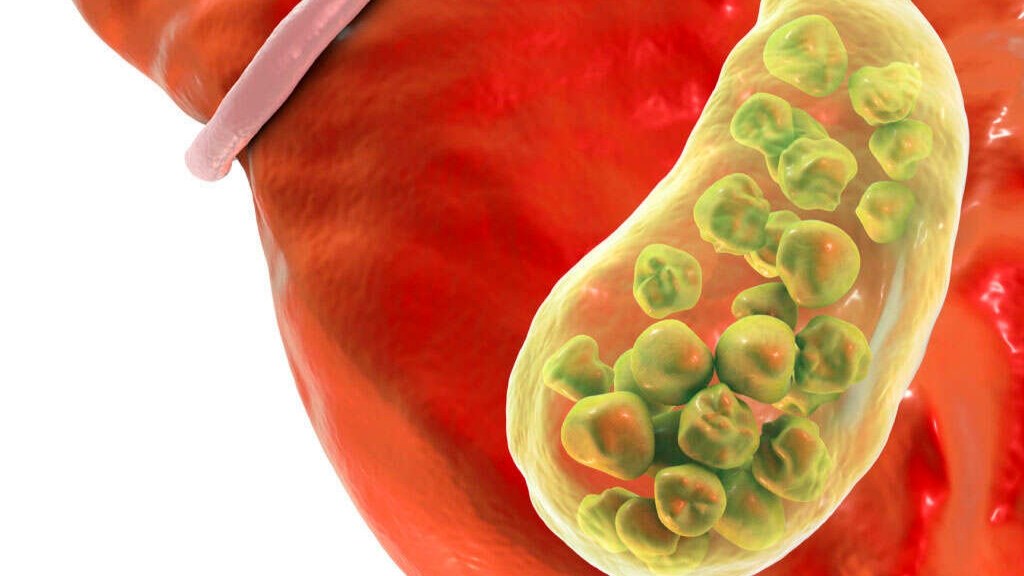
Gallstones are solid particles that form in the gallbladder due to the crystallization of bile components. Gallstones develop when bile contains too much cholesterol, bilirubin, or when the gallbladder fails to empty properly, causing bile to become overly concentrated. Factors such as excessive cholesterol secretion by the liver or increased bilirubin production from red blood cell breakdown contribute to stone formation. The type of gallstones formed often depends on an individual’s lifestyle, ethnicity, and medical history.
Types
- Cholesterol gallstones: It consists of about 75% of cases. Made mostly of hardened cholesterol and Yellow in color.
- Pigment gallstones: It consists of about 20–25% of cases. These are dark, bilirubin-based stones, associated with liver cirrhosis or hemolytic conditions.
Causes
Gallstones form due to:
- Excess cholesterol in bile.
- High bilirubin.
- Bile that’s too concentrated, often due to poor gallbladder motility.
- Incomplete emptying of the gallbladder and proteins affecting cholesterol crystallization also contribute.
Risk Factors
Important risk factors include:
- Female sex and pregnancy (due to high estrogen levels).
- Age over 40 years.
- Obesity, rapid weight loss, fasting and sedentary lifestyle.
- Family history of gallstones.
- Diet high in fat and cholesterol, low in fiber.
- Certain medical conditions (diabetes, liver disease, Crohn’s disease, blood disorders like sickle cell anemia).
- Use of estrogen-containing medications (birth control pills, hormone therapy).
- Cholesterol lowering drugs (some statins are protective; fibrates increase risk).
- Ethnicity (Native American and Mexican descent higher risk).
Signs & Symptoms
Silent stones often go unnoticed. Symptomatic gallstones can cause:
- Sudden, severe upper-right or epigastric abdominal pain (biliary colic), often after fatty meals or at night.
- Pain radiating to the back, right shoulder.
- Nausea, vomiting, bloating, gas, indigestion, intolerance to fatty foods.
- Fever and chills if infection develops.
- Jaundice (yellowing of skin and eyes), clay-colored stools, dark urine when ducts are blocked.
Complications
Gallstones can lead to several complications if untreated:
- Cholecystitis: Inflammation and infection of the gallbladder caused by obstruction, resulting in severe pain and fever.
- Choledocholithiasis: Stones block the common bile duct causing jaundice, pain, and bile duct infection (cholangitis).
- Pancreatitis: Blockage of the pancreatic duct causing inflammation of the pancreas with severe abdominal pain.
- Rarely: Gallstone ileus, gangrene, rupture, fistula formation, empyema, gallbladder cancer.
Prevention
There is no guaranteed preventive measures; however, lifestyle and dietary modifications help reduce risk:
- Maintaining a healthy weight—but avoid rapid weight loss; aim for gradual weight reduction.
- Eat a balanced diet rich in fruits, vegetables, whole grains, and lean proteins.
- Limit saturated fats, processed foods, and high-cholesterol diets.
- Regular exercise.
Home Remedies
Home remedies can help manage mild symptoms but do not dissolve gallstones. These should not replace medical treatment if symptoms worsen:
- Staying hydrated.
- Consuming a high-fiber diet
- Avoiding fatty, greasy foods that trigger pain.
- Using mild pain relievers for discomfort.
When to Seek Medical Attention
Immediate medical care is needed if you experience:
- Severe, persistent abdominal pain lasting more than a few hours.
- Fever with chills.
- Jaundice (yellowing skin or eyes).
- Persistent nausea or vomiting.
- Signs of pancreatitis, such as intense upper abdominal pain radiating to the back.
Bibliography
[1] https://www.niddk.nih.gov/health-information/digestive-diseases/gallstones/definition-facts
[2] https://www.hopkinsmedicine.org/health/conditions-and-diseases/gallstones
[3] https://www.mayoclinic.org/diseases-conditions/gallstones/symptoms-causes/syc-20354214
[4] https://my.clevelandclinic.org/health/diseases/7313-gallstones
[5] https://pmc.ncbi.nlm.nih.gov/articles/PMC10496460/
[6] https://pmc.ncbi.nlm.nih.gov/articles/PMC11252534/