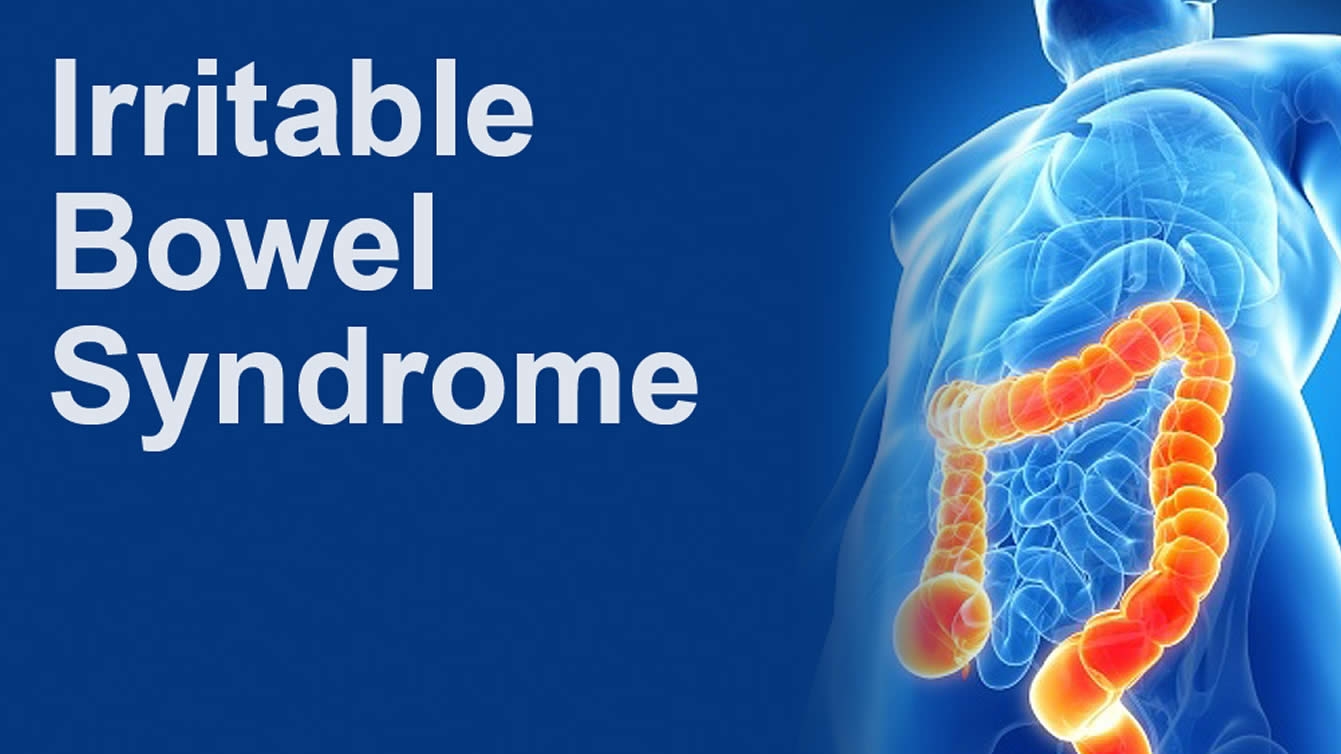
Introduction
Irritable bowel syndrome (IBS) is a chronic functional gastrointestinal disorder marked by recurring episodes of abdominal pain, discomfort, bloating, and altered bowel habits, with no identifiable organic cause. It affects approximately 4–15% of the global population. Women are affected about twice as frequently as men. The disorder is more common in individuals under 50 years old. It significantly affects individuals’ quality of life, work attendance, and daily functioning.
Types
IBS is categorized by predominant bowel pattern:
- IBS-C: Constipation-predominant.
- IBS-D: Diarrhea-predominant.
- IBS-M: Mixed (alternating constipation and diarrhea).
- IBS-U: Unclassified—does not fit the above categories.
Causes
The exact cause remains, but multiple mechanisms have been proposed:
- Gut–brain axis dysregulation: Disturbances in communication between the gut and the brain may cause visceral hypersensitivity and abnormal motility.
- Altered gastrointestinal motility: Abnormal muscle contractions in the intestines alter the movement of food causing cramping and passage disturbances.
- Visceral hypersensitivity: Increased sensitivity to gut stimuli, leading to pain and discomfort.
- Gut microbiome imbalance (dysbiosis): Changes in gut bacteria may affect gut function.
- Post-infectious IBS: Some cases develop after gastrointestinal infections.
- Psychological factors: High stress, anxiety, and depression are linked to symptom development and severity.
- Genetic predisposition: A family history may increase risk.
Risk Factors
- Female sex, younger age (<50 years)
- Prior GI infection
- Psychological comorbidity: anxiety and depression.
- Dietary influences, socioeconomic and environmental factors
- Genetic predisposition, epithelial/immune variations
Signs & Symptoms
- Recurrent abdominal pain or discomfort, ≥ 1 day/week in past 3 months, often related to defecation.
- Altered bowel habits (constipation, diarrhea, or both).
- Bloating or abdominal distension
- Rectal urgency or mucus in the stool.
- Sensation of incomplete evacuation.
Complications
IBS does not cause permanent intestinal damage or increase cancer risk. However, complications include:
- Significant impairment in quality of life, daily function, and work productivity.
- Social and psychological impact (anxiety, depression).
- Co-morbid functional disorders (e.g., fibromyalgia, chronic fatigue syndrome).
Prevention
There is no definitive way to prevent IBS, but certain measures may help reduce risk or manage flare-ups:
- Stress management: Regular relaxation techniques (e.g., meditation, yoga).
- Healthy diet: Avoiding known food triggers and maintaining a balanced diet.
- Prompt treatment of gastrointestinal infections.
- Regular physical activity.
Home Remedies
- Dietary adjustments: Consider a low-FODMAP diet; avoid foods that trigger symptoms such as caffeine, dairy, and fatty foods.
- Increase soluble fiber (oats, psyllium) for IBS‑C; reduce insoluble for IBS‑D.
- Stay hydrated.
- Probiotics: May benefit some patients.
When to Seek Medical Attention
Contact a healthcare provider if you experience:
- Persistent symptoms lasting more than a few weeks.
- Unintentional weight loss.
- Rectal bleeding.
- Nocturnal symptoms (awakening from sleep).
- Family history of colorectal cancer or inflammatory bowel disease.
- Severe or rapidly worsening pain.
Bibliography
[1] https://pmc.ncbi.nlm.nih.gov/articles/PMC4154827/
[2] https://www.nature.com/articles/nrdp201614
[3] https://emedicine.medscape.com/article/180389-overview
[4] https://www.niddk.nih.gov/health-information/digestive-diseases/irritable-bowel-syndrome/definition-facts
[5] https://pubmed.ncbi.nlm.nih.gov/33049223/
[6] https://www.mdpi.com/2227-9032/5/2/21
[7] https://www.ncbi.nlm.nih.gov/books/NBK534810/
[8] https://cdhf.ca/en/digestive-conditions/irritable-bowel-syndrome-ibs/
[9] https://pmc.ncbi.nlm.nih.gov/articles/PMC4051916/