Introduction
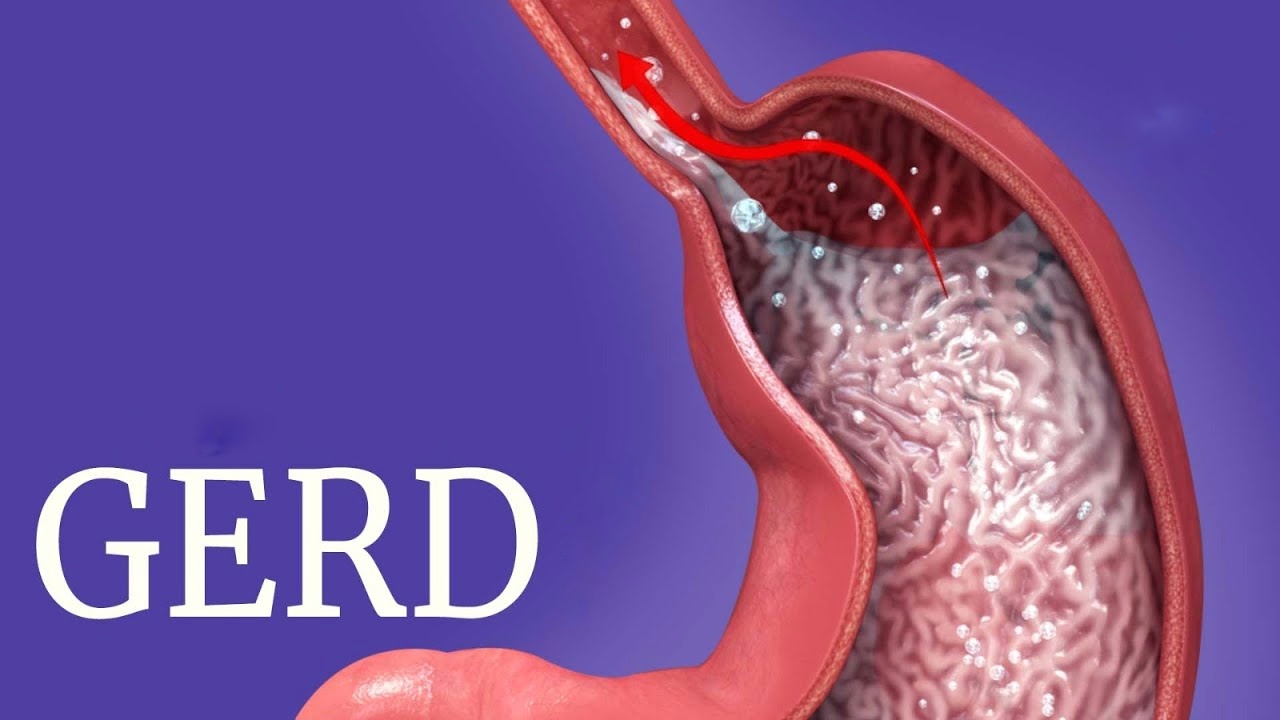
Gastric reflux, also known as acid reflux or gastroesophageal reflux disease (GERD)—is a prevalent digestive disorder affecting about 18.1–27.8% of adults in North America, with about half experiencing reflux symptoms at some point in their lives. It occurs when the lower esophageal sphincter (LES), a muscular valve at the junction of the esophagus and stomach, fails to function properly, allowing acidic stomach contents to reflux into the esophagus, leading to symptoms and potential tissue damage. It is less prevalent in children but can occur, especially in infants.
Though common, untreated reflux can lead to serious complications such as esophagitis, Barrett’s esophagus, or even esophageal cancer.
Types of Gastric Reflux
- Physiological Reflux: Occurs occasionally in healthy individuals, often after eating large meals. Usually mild, self-limiting and does not cause complications.
- Pathological Reflux (GERD): Occurs more frequently and/or with greater severity, causing discomfort and/or complications.
- Non-Erosive Reflux Disease: Symptoms occur without visible esophageal mucosal injury.
- Erosive Reflux Disease: Presence of inflammation and erosions in the esophageal lining.
- Non-Erosive Reflux Disease: Symptoms occur without visible esophageal mucosal injury.
Causes
- LES Dysfunction: The most common cause of gastric reflux is dysfunction of the lower esophageal sphincter (LES)—a muscular ring at the junction of the esophagus and stomach. When the LES fails to close properly, stomach contents, especially acid, can reflux into the esophagus. Contributing mechanisms include:
- Transient relaxations of LES (the most common mechanism)
- A permanently weak or lax LES
- Hiatal Hernia: A condition where part of the stomach protrudes through the diaphragm, compromising the LES.
- Delayed Gastric Emptying: Leads to increased gastric pressure promoting reflux.
- Increased Intra-abdominal Pressure: Due to obesity, pregnancy, or tight clothing.
Risk Factors
Several factors increase the risk of developing gastric reflux:
- Obesity: Increased abdominal pressure promotes reflux.
- Age: Increased prevalence in older adults.
- Smoking: Impairs LES function and esophageal clearance promoting reflux.
- Pregnancy: Hormonal changes and increased abdominal pressure increases risk of reflux.
- Certain medications: Such as calcium channel blockers, nitrates, and anticholinergics.
- Meal: Large meals or lying down soon after eating.
- Diet: diets high in acidic or fatty foods increase reflux.
- Low levels of physical activity
- Anxiety and depression
- Hiatal hernia
- Genetic predisposition
Signs and Symptoms
- Heartburn: Burning sensation behind the sternum, especially after meals or at night.
- Regurgitation: Sour or bitter-tasting acid backing up into the throat or mouth.
- Dysphagia: Difficulty swallowing.
- Chest Pain: Sometimes mimicking cardiac pain.
- Chronic Cough, Hoarseness, or Sore Throat: Due to laryngeal irritation.
- Dental Erosion: From acid exposure in the oral cavity.
Complications
- Esophagitis: Inflammation leading to pain and potential bleeding.
- Strictures: Narrowing of the esophagus due to scarring.
- Barrett’s Esophagus: Metaplastic change, increases the risk of esophageal adenocarcinoma.
- Respiratory Problems: Aspiration pneumonia, chronic cough, or asthma exacerbation.
Prevention
To prevent gastric reflux or minimize its occurrence:
- Lifestyle Modifications:
- Weight loss in overweight individuals.
- Avoiding trigger foods and beverages.
- Avoid large, fatty, or acidic meals.
- Eating smaller, more frequent meals.Do not lie down or go to bed immediately after eating (wait at least half an hour).
- Chew food thoroughly.
- Elevating the head of the bed.
- Avoid Smoking and Excessive Alcohol Use.
When to Seek Medical Attention
If you experience persistent symptoms (more than twice a week), difficulty swallowing, unexplained weight loss, vomiting blood, or black/tarry stools, consult a healthcare provider as these may indicate complications or a more serious condition.
Bibliography
[1] https://pmc.ncbi.nlm.nih.gov/articles/PMC6140167/
[2] https://pubmed.ncbi.nlm.nih.gov/40131141/
[3] https://www.medicinenet.com/gastroesophageal_reflux_disease_gerd/article.htm
[4] https://emedicine.medscape.com/article/176595-overview
[5] https://my.clevelandclinic.org/health/diseases/17019-acid-reflux-gerd
[6] https://www.ncbi.nlm.nih.gov/books/NBK554462/